
Exploring the Enigmatic Beauty of the Bayanihan Festival in the Philippines
By Astrid Fitzgerald · · 4 min read
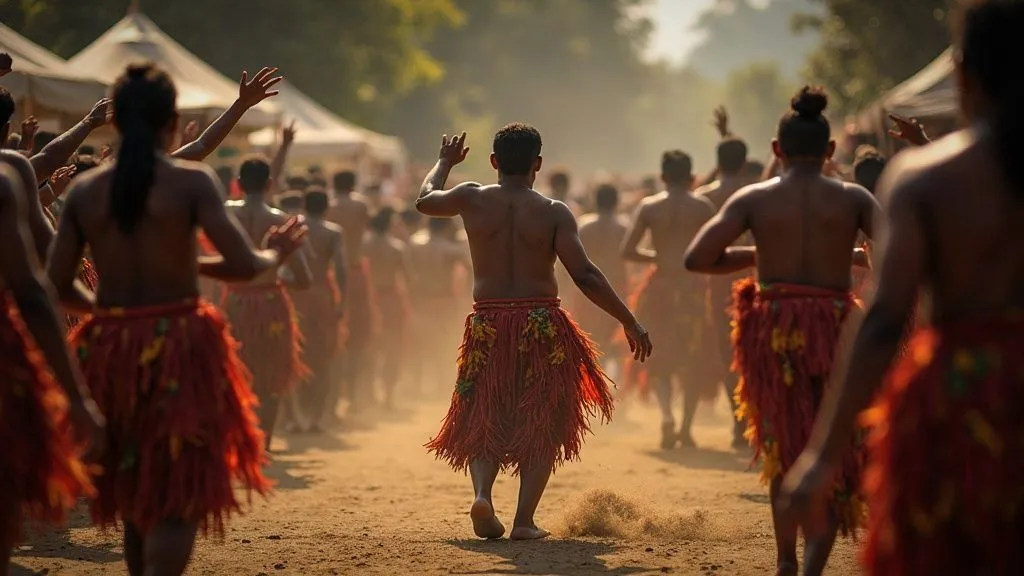
The Bayanihan Festival is a vibrant celebration held annually in various places throughout the Philippines, known for its rich cultural significance and colorful festivities. This festival encapsulates the spirit of community and unity, showcasing the diverse heritage of Filipino traditions. Visitors from around the world are drawn to this lively event, eager to immerse themselves in the local culture and experience the joyous atmosphere.
The Origins of Bayanihan
The term “Bayanihan” comes from the Filipino word “bayan,” which translates to “town” or “community.” Traditionally, it refers to a communal spirit, where neighbors help one another during times of need. This practice can be traced back to the pre-colonial era when villagers would come together to assist a family in moving their home, often carrying the nipa hut on bamboo poles. This sense of community is what the festival aims to celebrate.
In recent years, the Bayanihan Festival has evolved into a grand showcase of local artistry, food, music, and dance, reflecting the vibrant culture of the Philippines. The festival typically includes parades, cultural presentations, and various competitions that highlight traditional Filipino games and crafts.
Key Features of the Festival
Vibrant Parades
One of the most captivating aspects of the Bayanihan Festival is the grand parade. Floats adorned with colorful decorations and cultural motifs traverse the streets, celebrating the rich history and diversity of the Filipino people. Local schools, organizations, and community groups participate, showcasing their creativity through elaborate costumes and performances. This festive atmosphere draws both locals and tourists alike, creating an exhilarating experience.
The parade often features traditional music and dance, with groups performing folk dances that have been passed down through generations. These performances are not only entertaining but also serve as a way to educate the audience about the cultural heritage of the Philippines.
Cultural Competitions
During the Bayanihan Festival, various competitions take place, allowing participants to showcase their skills and talents. These competitions range from traditional dance-offs to culinary contests that highlight the best of Filipino cuisine. Visitors can indulge in local delicacies, from adobo to lechon, and participate in cooking demonstrations that emphasize the importance of food in Filipino culture.
Additionally, craft competitions are held to showcase local artisans. These craftsmen and women exhibit their intricate works, from handmade textiles to pottery, and visitors have the opportunity to purchase unique souvenirs. Engaging with local artisans fosters a deeper appreciation for Filipino craftsmanship and the stories behind each piece.
Community Involvement
The heart of the Bayanihan Festival is its emphasis on community involvement. Local residents are encouraged to participate in various activities, reinforcing the spirit of bayanihan. Schools often organize field trips to the festival, bringing students together to learn about their cultural heritage in a fun and engaging environment.
Furthermore, the festival serves as a platform for local businesses to showcase their products and services. Farmers, artists, and entrepreneurs benefit from the increased foot traffic, allowing them to connect with potential customers. This economic boost is vital for many communities, and it reinforces the idea of supporting local initiatives.
Tips for Attending the Bayanihan Festival
Timing Your Visit
The Bayanihan Festival is celebrated at different times throughout the Philippines, depending on the locality. It’s essential to check the specific dates for the area you plan to visit. Typically, festivals occur in the first half of the year, with many taking place around local feast days. Planning your trip around these dates ensures you experience all the festival has to offer.
Immerse Yourself in Local Culture
To truly appreciate the Bayanihan Festival, immerse yourself in the local culture. Engage with the residents, taste authentic Filipino dishes, and participate in traditional activities. Many towns welcome visitors with open arms, eager to share their heritage. Don’t hesitate to ask questions or join in the festivities; the warmth of the Filipino people is part of what makes these celebrations so special.
Capture the Memories
The Bayanihan Festival is a feast for the eyes. Bring your camera or smartphone to capture the colorful parades, vibrant costumes, and the joyful spirit of the community. However, be respectful when taking photos, especially during performances. Always ask for permission if you’re photographing individuals, particularly children.
Conclusion
The Bayanihan Festival is a remarkable display of the rich cultural tapestry of the Philippines. It highlights the importance of community, tradition, and the collective spirit of the Filipino people. For travelers seeking an authentic experience, attending this festival offers a unique opportunity to dive deep into the heart of Filipino culture, food, and artistry.
If you want to learn more about the Philippines and its festivals, consider visiting resources like Philippine Tourism or the National Commission for Culture and the Arts. Engaging with these sites will provide further insights into the country’s rich cultural heritage and the various festivals celebrated throughout the year.
Whether you are drawn by the spectacular parades, the delicious food, or the warm community spirit, the Bayanihan Festival promises an unforgettable experience that resonates with both locals and visitors alike.