
Discovering the Charm of Apparel Souvenirs: A Traveler's Guide
By Astrid Fitzgerald · · 4 min read
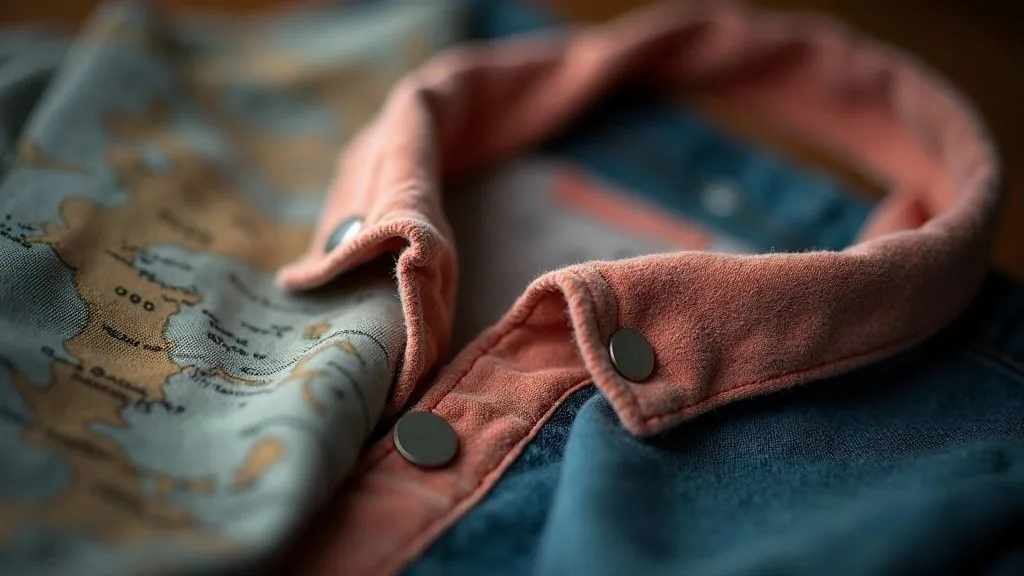
Traveling often leads us to explore not only new landscapes and cultures but also unique items that capture the essence of our journeys. Apparel souvenirs, such as clothing and accessories, serve as delightful mementos that remind us of our adventures long after we’ve returned home. This article dives into the significance of apparel souvenirs and guides you on how to choose meaningful pieces during your travels.
The Significance of Apparel Souvenirs
Apparel souvenirs hold a special place in the hearts of travelers. These items are not just pieces of fabric; they are imbued with memories and stories from the places they represent. Wearing or displaying these souvenirs offers a tangible connection to your travels.
A Walk Through Cultural Representation
Every region has its own traditional clothing styles that reflect the history, culture, and artistry of its people. For example, a kimono from Japan showcases the intricate craftsmanship and cultural heritage of the nation. Similarly, a poncho from Peru can connect you to the rich indigenous history and vibrant colors of South American culture.
Purchasing apparel souvenirs allows you to not only take home a piece of that culture but also support local artisans and economies. By choosing authentic items, you contribute to the sustainability of the craft and its practitioners. To explore more about cultural attire, you can visit this Wikipedia page.
The Emotional Connection
Wearing a t-shirt from a trip to a bustling market in Bangkok can evoke memories of the scents, sounds, and experiences from that day. Apparel becomes a storytelling device, often sparking conversations about your travels with fellow enthusiasts. Items like hats, scarves, or handmade jewelry can serve as conversation starters, allowing you to share your stories and experiences with others.
How to Choose the Right Apparel Souvenirs
Choosing the right apparel souvenirs can be as exciting as the journey itself. Here are some tips to help you make informed decisions.
Research Local Styles and Materials
Before heading out on your travels, it’s helpful to research the local styles and materials of the destination. Some places are known for specific types of garments or fabrics. For instance, Bhutan is famous for its Gho and Kira, traditional attire made of handwoven fabric. Knowing what to look for can enhance your shopping experience and ensure you choose authentic items.
Prioritize Quality Over Quantity
While it may be tempting to buy multiple souvenirs, focusing on one or two high-quality items is advisable. Look for apparel that showcases the craftsmanship of the region. Consider factors like fabric quality, stitching, and design. Items that are made sustainably and ethically will often offer a better wear experience and a longer-lasting memory.
Consider Versatility
Another practical tip is to select apparel that can be worn in various settings. A beautifully crafted tunic or scarf can easily transition from a casual day out to a chic evening look. Versatile items ensure that you get more use out of your souvenir, making it a worthwhile investment.
Top Destinations for Unique Apparel Souvenirs
Some destinations are particularly well-known for their unique apparel. Here are a few must-visit places where you can find special garments:
1. Istanbul, Turkey
Istanbul is a treasure trove of textiles and clothing. The Grand Bazaar is an excellent place to find colorful scarves, handwoven carpets, and traditional attire. One of the standout items is the Turkish peshtemal, a lightweight cotton towel that is both functional and stylish.
2. Kyoto, Japan
For those interested in traditional clothing, Kyoto offers the opportunity to purchase kimonos and yukatas. Many shops also provide rental services for tourists who want to wear them while exploring the city. The intricate designs and rich history associated with these garments make them a cherished souvenir.
3. Oaxaca, Mexico
In Oaxaca, you can find beautifully embroidered blouses, known as huipils, that reflect the indigenous culture. Each piece tells a story through its patterns and colors. Supporting local artisans by purchasing these handcrafted items contributes to the preservation of their traditional art.
Caring for Your Apparel Souvenirs
Once you’ve selected your apparel souvenirs, proper care is essential to maintain their beauty and longevity. Here are some tips:
Washing and Drying
Always check the care labels for washing instructions. Hand-washing delicate items is often best, especially for handcrafted textiles. Avoid using harsh detergents that can fade colors or damage fabrics. Air drying is preferred to maintain the shape and integrity of the garment.
Storage Solutions
When storing your apparel souvenirs, make sure they are clean and dry. Use breathable garment bags for delicate items to protect them from dust and moths. For accessories, consider using padded hangers or boxes to preserve their shape.
Conclusion
Apparel souvenirs are more than just clothing; they are a reflection of cultures, experiences, and memories. By choosing meaningful pieces, you can carry a part of your travels with you wherever you go. From handcrafted textiles to traditional garments, these items serve as a bridge to the places you’ve visited. So the next time you embark on a journey, remember to keep an eye out for that special piece that speaks to you. Not only will you be supporting local artisans, but you’ll also create lasting memories that you can wear proudly.
For more insights into cultural apparel and travel tips, check out this educational article on cultural preservation.