
Mastering the Art of Slow Travel: A Comprehensive Guide
By Astrid Fitzgerald · · 5 min read
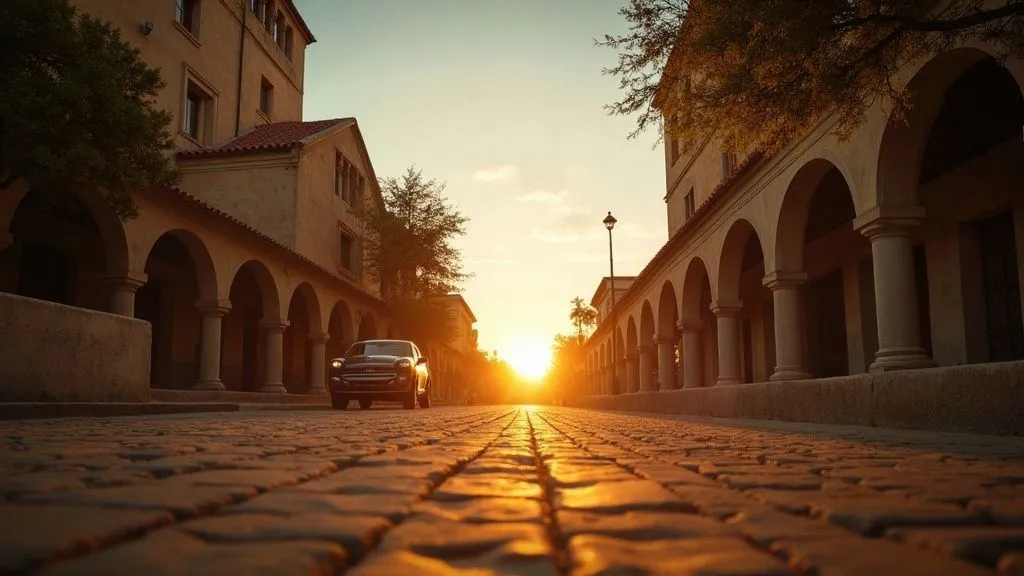
In an age where travel is often synonymous with hastily ticking off items from a bucket list, the concept of slow travel emerges as a breath of fresh air. This approach emphasizes quality over quantity, encouraging travelers to deeply engage with their destinations. By immersing oneself in local cultures, savoring experiences, and fostering connections, slow travel can transform a simple trip into a journey of discovery. This guide will explore the intricacies of slow travel, providing practical steps, expert perspectives, and detailed analysis to help you master this enriching approach.
Understanding Slow Travel
Slow travel is rooted in the broader slow movement, which advocates for a more mindful and deliberate pace of life. According to the World Tourism Organization, slow travel emphasizes the importance of experiencing a destination in a more profound manner. This involves staying longer in one place, finding ways to engage with local communities, and immersing oneself in the culture. Here are some core principles of slow travel:
- Depth Over Breadth: Instead of rushing through multiple cities, focus on one or two destinations.
- Cultural Engagement: Participate in local traditions, festivals, or workshops.
- Sustainable Choices: Opt for eco-friendly lodging, local restaurants, and public transportation.
Benefits of Slow Travel
Embracing the slow travel philosophy can provide several unique benefits that enhance the overall travel experience:
- Deeper Connections: Building relationships with locals can lead to genuine exchanges and insights that enhance understanding.
- Reduced Stress: A slower pace allows for relaxation and reflection, making vacations more restorative.
- Cultural Immersion: Engaging with local customs and traditions can foster appreciation for a culture’s uniqueness.
Step-by-Step Guide to Slow Travel
Step 1: Choosing Your Destination
Selecting a destination is the first crucial step in the slow travel journey. Consider locations that encourage long stays, offer rich cultural experiences, and provide opportunities for interaction with locals. Here are some destinations that are particularly suited for slow travel:
- Tuscany, Italy: Known for its rolling hills and charming villages, Tuscany invites travelers to explore local vineyards and artisanal workshops.
- Kyoto, Japan: With its ancient temples and tea houses, Kyoto offers myriad opportunities to embrace Japanese culture and tradition.
- Andalusia, Spain: This region showcases a rich tapestry of history, art, and culinary delights, ideal for a slow-paced exploration.
Step 2: Planning Your Itinerary
When planning your itinerary, opt for a flexible schedule that allows you to adapt based on local events or personal interests. Here’s how to structure your travel plans:
- Prioritize Local Experiences: Seek out local festivals, workshops, or classes. Websites like Eventbrite often list local happenings.
- Limit Destinations: Choose one or two primary locations, and plan day trips or excursions to nearby areas, fostering exploration without the pressure of moving frequently.
- Include Downtime: Balance activities with rest periods to recharge and absorb the local environment.
Step 3: Sustainable Transportation
Transportation choices play a key role in the slow travel philosophy. To minimize your carbon footprint and enhance the experience, consider:
- Walking and Cycling: Exploring a city on foot or by bike allows for a more intimate understanding of the surroundings. Many cities offer bike rental services such as Citi Bike in New York City or Ofo in various countries.
- Public Transport: Utilize trains and buses to travel between nearby towns, which can also provide an opportunity to observe daily life. For example, the Eurail pass offers travel across multiple European countries by train.
- Car Rentals: If necessary, consider renting a car for rural areas where public transport may be limited, but plan to keep driving to a minimum.
Step 4: Connecting with Locals
Engaging with the local community is central to slow travel. Here are effective ways to do so:
- Stay in Local Accommodations: Opt for homestays, guesthouses, or eco-lodges, which often provide a more authentic experience compared to large hotels. Platforms like Airbnb offer a variety of local stays.
- Participate in Community Events: Attend farmers’ markets, local concerts, or workshops that showcase local crafts. Check local tourism boards or online platforms for upcoming events.
- Volunteer: Consider volunteering during your trip. Organizations like Workaway connect travelers with hosts looking for help in exchange for food and accommodation.
Expert Insights on Slow Travel
To delve deeper into the philosophy of slow travel, expert insights provide invaluable perspectives. Travel writers and researchers advocate for this approach as not only a way to enhance personal experiences but also as a means to promote sustainable tourism.
Perspectives from Travel Experts
- Rick Steves: The renowned travel writer emphasizes that slow travel allows for meaningful interactions. He states, “Travel is about connecting with people, not merely taking pictures.”
- Pauline Frommer: As an advocate for responsible tourism, she highlights how slow travel fosters appreciation for local cultures while supporting small businesses.
- National Geographic: In their article on sustainable travel, they note that slow travel can decrease the environmental impact of tourism by encouraging longer stays and deeper exploration.
The Psychological Benefits
Recent studies have shown that slow travel can have profound psychological benefits. A report published by the American Psychological Association indicates that spending time in nature and engaging in cultural activities contribute to improved mental health. Travelers who immerse themselves in local environments reported higher levels of satisfaction and lower levels of stress.
Additional Considerations for Slow Travel
Packing for Slow Travel
Packing efficiently is key when engaging in slow travel. Focus on versatile items and essential gear that will serve multiple purposes. Some tips include:
- Choose Comfortable Clothing: Select clothing suitable for both urban and rural settings that can transition from casual to semi-formal.
- Limit Footwear: Bring two pairs of shoes—one for walking and another for dressier occasions.
- Travel Light: Avoid overpacking to ease mobility. A lighter load allows for greater flexibility during your journey.
Mindfulness and Presence
Incorporating mindfulness into your travel routine can enhance the slow travel experience. Techniques include:
- Daily Journaling: Documenting your thoughts and experiences cultivates reflection and deeper understanding.
- Mindful Eating: Savor local cuisine by practicing mindfulness during meals. Focus on taste, texture, and presentation rather than rushing through dining experiences.
Embracing the Unexpected
Slow travel encourages adaptability. Embrace spontaneity and be open to unexpected opportunities. Local residents may recommend hidden gems or unique experiences that could significantly enhance your journey.
Conclusion: The Future of Travel
The slow travel movement represents a shift towards a more meaningful and sustainable approach to exploration. As travelers seek deeper connections and authentic experiences, the principles of slow travel become increasingly relevant. By following this comprehensive guide, travelers can unlock the potential of their adventures, creating memories that last a lifetime.
Embrace the art of slow travel, and you may find that the journey itself becomes just as important as the destination. Whether exploring the cobbled streets of a medieval town or sharing a meal with a local family, the richness of your experiences will outweigh the rush to see it all. Discover the world at a pace that resonates with you, and allow the beauty of each moment to unfold.
For more insights on travel, check out our articles on sustainable tourism and cultural immersion. Happy travels!